
The Slum Against the Soul
The Captain and Ann BarbaraThe environmental war between the degradation of the Boston slums and Mary Antin's growing inner life.
increasing Bearing strength in each event
 decreasing
Bearing strength in each eventdecreasingWheeler Street's Filth
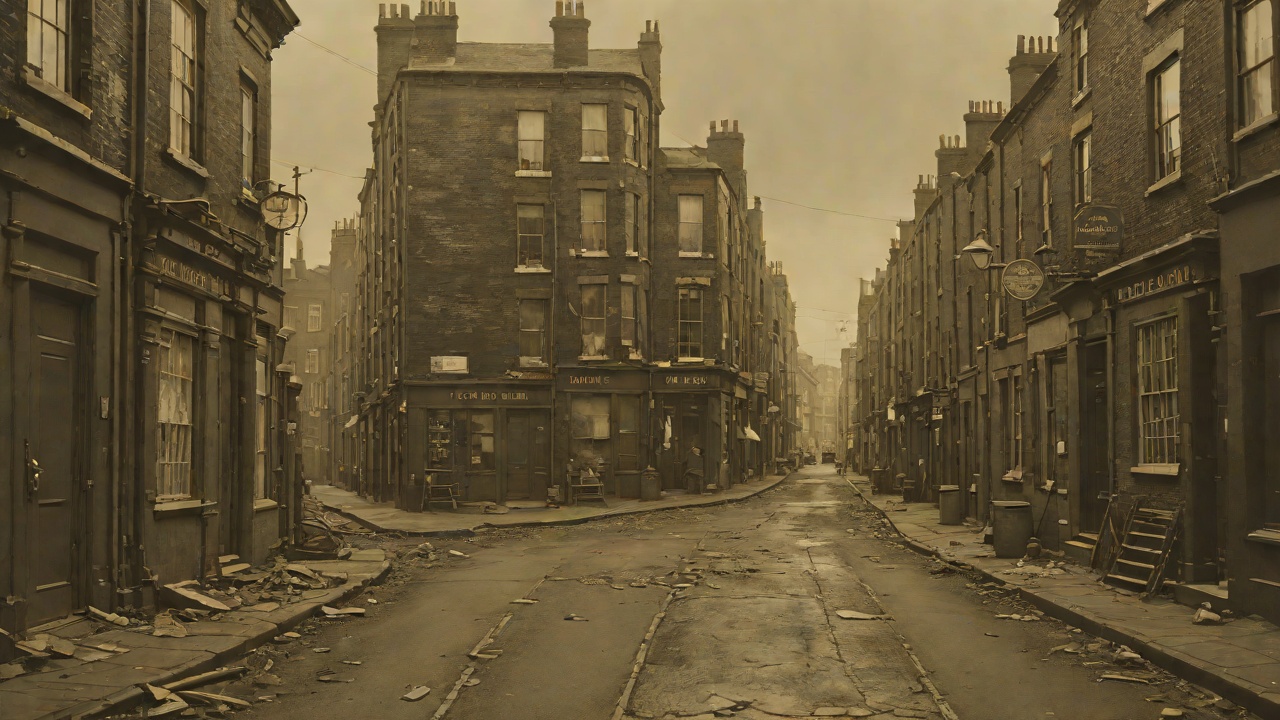
Wheeler Street's Filth
The Crooked Lane
The street was a gutter choked with dust and refuse, leading from a corner saloon to houses of ill repute. Mary lived there unharmed because she did not yet understand.
The Flat Without a Home
There were no real homes on Wheeler Street: only miserable flats with windowless bedrooms, overcrowded beds, and disorder. The center table held a photograph album and a broken lamp.
The Child's Escape
Mary escaped into books and Morgan Chapel. The soul was already seeking a cleaner world.
Morgan Chapel's Gift
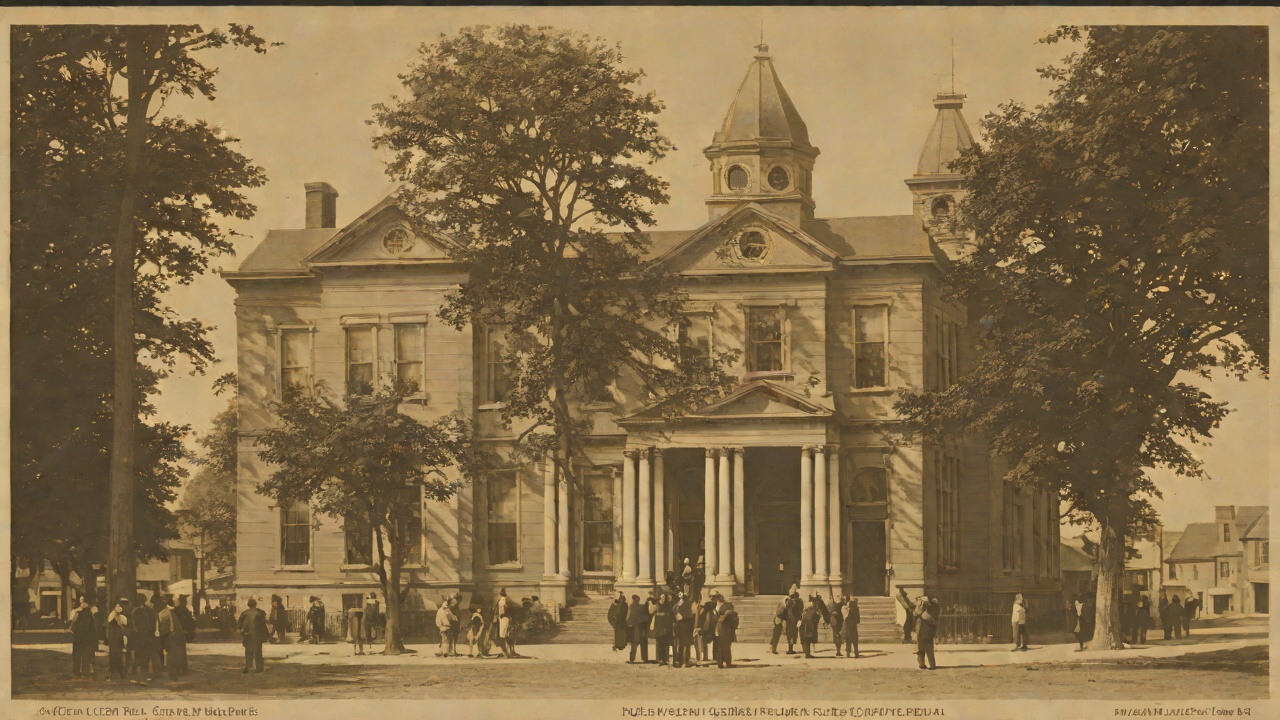
Morgan Chapel's Gift
The Free Entertainment
Morgan Chapel offered music, recitations, and parlor accomplishments every Saturday. The children of Wheeler Street flocked there.
Brother Hotchkins's Mastery
He managed the programs so that classics were mixed with street songs. Knock-kneed men moved nearer the front as the concert went on.
The Distrustful Jewess
Mary could not abide a missionary; the European Jew in her distrusted Brother Hotchkins. Yet the chapel was soap and water on the slum.
Dover Street's Noises
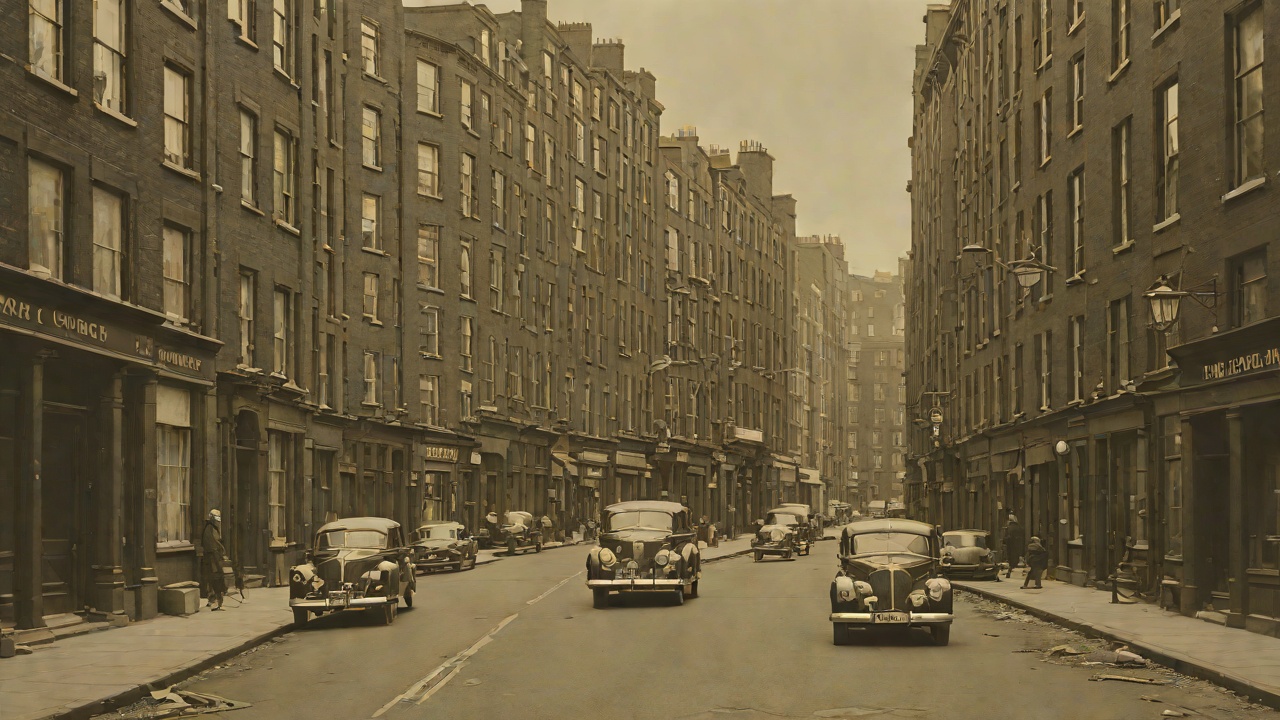
Dover Street's Noises
The Constant Clang
Electric cars, machinery, and heavy trucks shook the windows. In the hall Mrs. Rasnosky scolded and fat Mrs. Casey burned bacon while drunk.
The Windowless Bedroom
Celia was born in an air-tight, windowless room. The baby in the third-floor flat was often left in a scabby bed alone.
The Roof and the Bridge
Mary fled to the roof and the South Boston Bridge. From the bridge she watched the trains and imagined herself swift on her own track.
The Library Palace Versus the Tenement
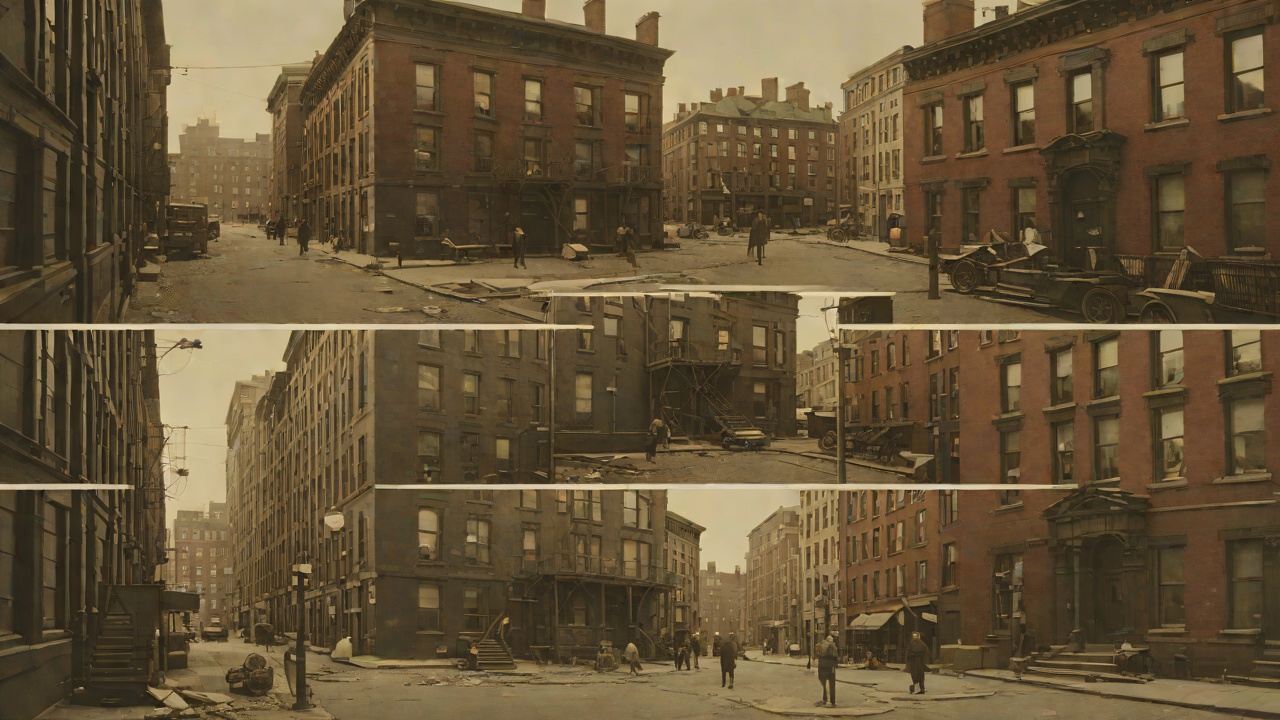
The Library Palace Versus the Tenement
The Two Worlds
Mary could go from her bare room overlooking the lumber-yard to the Boston Public Library's grand arches. The tenement was a wayside house; the library was her palace.
The Democratic Door
Carved inscriptions told her the library was built by the people and free to all. It was hers because she was an American citizen.
The Rebuilding of the Soul
She entered every noble chamber of the palace of life through books. The slum could not hold her spirit.
Beacon Street Contrasts
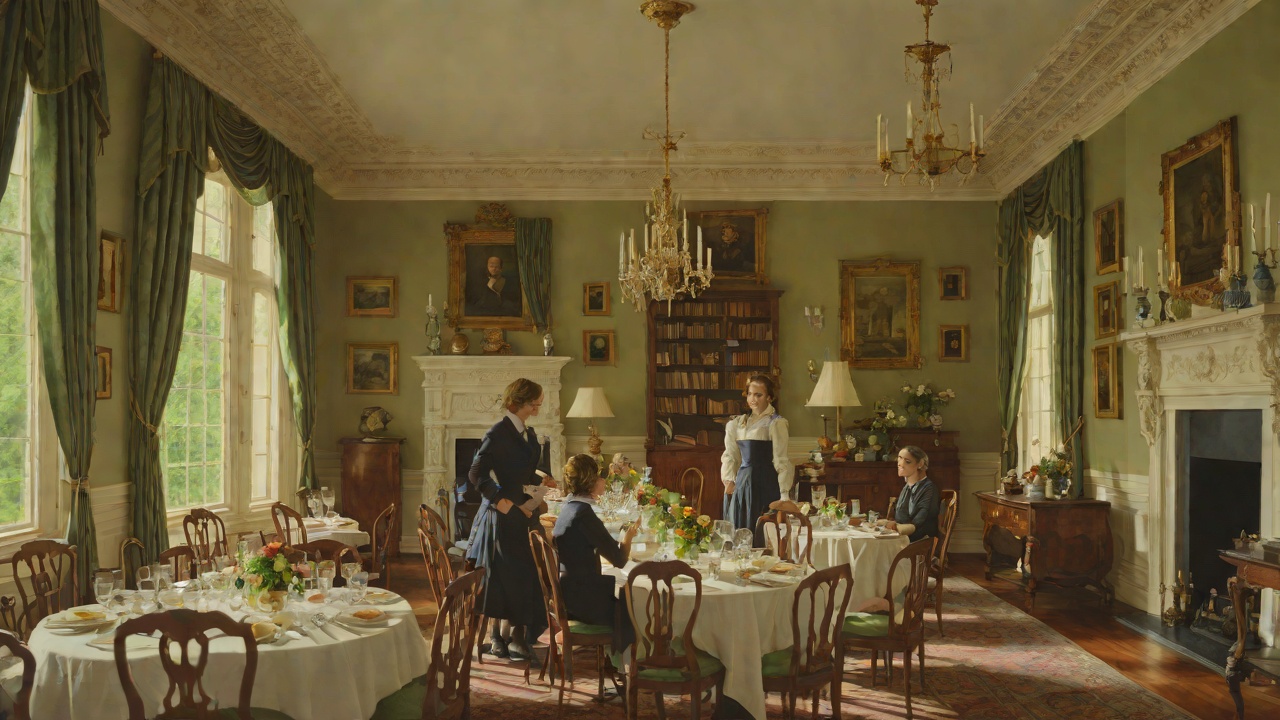
Beacon Street Contrasts
The Satin Drawing Rooms
Mary drank afternoon tea with gentle ladies in the Back Bay and Beacon Street. Their hands were as delicate as their porcelain cups.
The Stumble over Mr. Casey
Returning to Dover Street, she might stumble over poor Mr. Casey asleep in the corridor. The shock was like a searchlight on her life.
The Double Life
She was a heroine of two worlds, and each contrast sharpened her sense of possibility. Eventually the slums would release her.
the years on Wheeler Street
Saturday evenings on Wheeler Street
the Dover Street years
after school on Dover Street
the later Dover Street years and after
